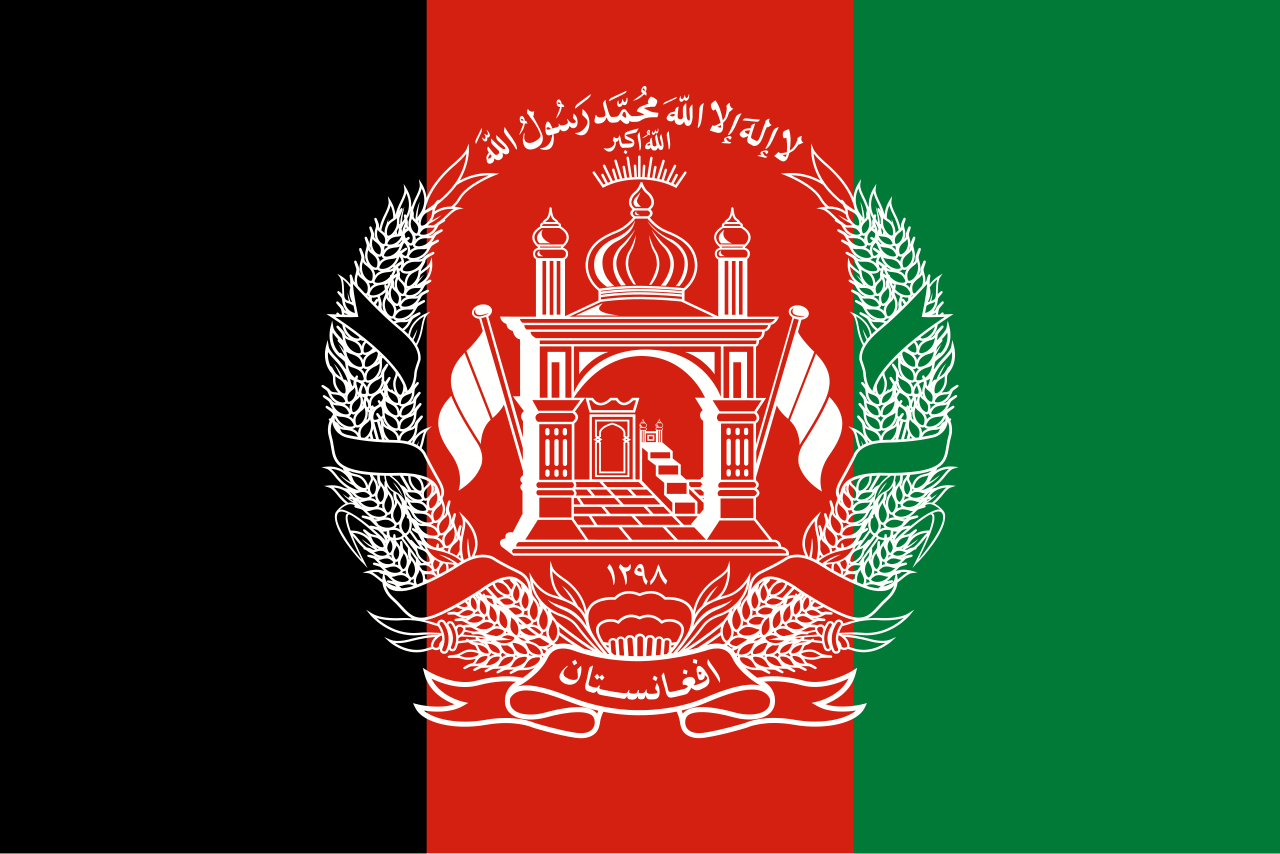
How to Apostille a Document for Afghanistan
If you need to use a US document in Afghanistan, you may be searching for how to get an apostille. It is important to know that Afghanistan is not part of the Hague Apostille Convention. Because of this, US apostilles are not accepted. Instead, your documents must go through a full legalization process. This guide explains how to apostille a document in the US for use in Afghanistan using clear steps and simple language.
Does Afghanistan Accept Apostilles?
Afghanistan does not recognize apostilles issued by the United States. Instead of a single apostille stamp, you must complete a chain authentication process. This process includes verification at the state level, certification by the US Department of State, and legalization by the Afghan embassy or consulate.
Many people still use the word apostille, but for Afghanistan the correct term is document legalization.
Common Documents That Need Legalization
Many personal, educational, and business documents require legalization before they can be used in Afghanistan. Common examples include:
Birth certificates
Marriage certificates
Divorce records
Diplomas and school transcripts
FBI background checks
Power of attorney forms
Business registration documents
Commercial contracts
Always confirm with the organization in Afghanistan which documents are required.
Prepare Your Document
Start by making sure your document is valid and properly issued. Vital records such as birth or marriage certificates should be certified copies from the issuing agency. Documents that are not government records must be notarized by a licensed US notary public.
Check all names, dates, and signatures carefully. Mistakes can cause delays or rejection later in the process.
Get State Authentication
The next step is state authentication. This is done by the Secretary of State office where the document was issued or notarized.
For example, a notarized document from New York must be authenticated by the New York Secretary of State. A birth certificate issued in Florida must be certified by the Florida Secretary of State.
This step confirms that the notary or official signature is legitimate.
Authenticate with the US Department of State
After state authentication, your document must be sent to the US Department of State in Washington, DC. This office verifies the state certification and adds a federal authentication certificate.
This step is required for all countries that are not members of the Hague Apostille Convention, including Afghanistan.
Processing times depend on demand and service type. Expedited processing may be available through professional services.
Legalize at the Afghan Embassy or Consulate
Once the federal authentication is complete, the document must be submitted to the Afghan embassy or a designated Afghan consulate. The embassy will review the paperwork and apply the final legalization stamp.
This stamp confirms that Afghanistan accepts the document for official use.
Before submitting, check the embassy’s current rules. Some documents may require additional forms or fees.
Translation Requirements for Afghanistan
Many Afghan institutions require documents to be translated into Dari or Pashto. Translations should be accurate and professionally prepared. In some cases, translations must also be notarized before legalization.
Always verify translation requirements with the receiving office in Afghanistan to avoid processing problems.
How Long Does the Process Take?
The full legalization process usually takes two to six weeks. Processing time depends on several factors:
State processing speed
US Department of State workload
Embassy appointment availability
Shipping and courier time
If your documents are urgent, using a professional apostille and legalization service can help reduce delays.
Common Mistakes to Avoid
Many applicants experience delays because of small mistakes. Avoid these common problems:
Sending photocopies instead of certified originals
Using incomplete notarizations
Skipping state authentication
Submitting documents to the embassy without federal certification
Forgetting translation requirements
Carefully following each step will help ensure approval.
Should You Use a Professional Apostille Service?
Many people choose professional legalization services to save time and reduce stress. These companies manage state authentication, federal certification, and embassy legalization on your behalf.
If your documents are important or time-sensitive, professional help can make the process smoother and faster.
Conclusion
Getting an apostille for use in Afghanistan requires a full document legalization process since Afghanistan is not part of the Hague Apostille Convention. You must complete state authentication, US Department of State certification, and final legalization at the Afghan embassy or consulate. By preparing your documents correctly and following each step in order, you can avoid delays and ensure your paperwork is accepted in Afghanistan. With proper planning or professional assistance, the process becomes much easier and more reliable.